The Long-Awaited Breakthrough: RSV Vaccine Benefits for Adults
For too long, Respiratory Syncytial Virus (RSV) has been a seasonal specter, particularly for the youngest and the oldest among us. While often associated with severe illness in infants and young children, RSV poses a significant, yet frequently underestimated, threat to adults, especially those over 60 or with underlying health conditions. This autumn marks a historic turning point: for the first time, adults can now be vaccinated against RSV. This pivotal development not only offers individual protection but promises to significantly reduce the burden on healthcare systems by mitigating hospitalizations and severe disease.
A question that has increasingly been asked, particularly in regions like Norway, is "
Kan Voksne Få Rs Virus?" – which translates to "Can Adults Get RSV Vaccine?" The answer, as of this season, is a resounding yes. This new vaccine joins the ranks alongside existing vaccinations for influenza and COVID-19, offering a comprehensive shield against the "triple epidemic" of respiratory viruses that have dominated recent winter seasons.
Unmasking the Silent Threat: Why RSV is Serious for Adults
While many associate RSV with childhood sniffles, its impact on adults is far from trivial. For healthy adults, an RSV infection might manifest as a mild cold. However, for those aged 60 and above, or individuals with compromised immune systems, chronic heart disease, or lung conditions like asthma or COPD, RSV can lead to severe lower respiratory tract infections.
These infections can escalate rapidly, causing:
- Bronchiolitis: Inflammation of the small airways in the lungs.
- Pneumonia: A serious lung infection that makes breathing difficult.
- Exacerbation of Chronic Conditions: Worsening of existing heart or lung diseases, often requiring intensive medical intervention.
- Hospitalization: Leading to significant personal distress and a strain on healthcare resources.
Data from countries like Norway suggests that at least 1,200-1,300 adult hospitalizations per year are due to RSV, a figure widely believed to be an underestimation. The actual number is likely much higher, as RSV is not always routinely tested for in adults presenting with respiratory symptoms. This silent burden contributes to overcrowded emergency rooms, increased doctor visits, higher antibiotic use (often for secondary bacterial infections), and a considerable reduction in quality of life for those affected.
The Science Behind the Shield: A Long-Awaited Triumph
The journey to an effective RSV vaccine for adults has been a challenging one, spanning over 60 years of dedicated research. Line Storesund Rondan, Head of Government Affairs and Communications at GSK Norway (the company behind the vaccine), highlights the scientific complexity. Unlike many viruses, RSV is remarkably adept at evading the human immune system, primarily residing on the surface of our airways, where it remains somewhat shielded from typical immune responses.
Developing vaccines for individuals with weakened immune systems, common among the elderly, added another layer of difficulty. A significant milestone was the incorporation of an
adjuvant – a substance that boosts the immune response, thereby enhancing the vaccine's effectiveness in those with reduced immunity. This innovation was crucial in creating a robust protective measure for the target demographic.
The result is the world's first RSV vaccine for adults, designed specifically for those over 60 years. Administered as a single dose, preliminary data indicate that it offers protection against lower respiratory tract infection caused by RSV for at least two years. This extended duration of effect sets it apart from annual vaccinations like the flu shot, offering long-term peace of mind.
For more in-depth information about this groundbreaking development, you can explore
New RS-Virus Vaccine for Adults: All You Need to Know.
Broadening the Horizon: Benefits Beyond Personal Protection
The introduction of the RSV vaccine for adults offers a multitude of benefits that extend far beyond individual protection, promising a positive ripple effect throughout society and healthcare systems:
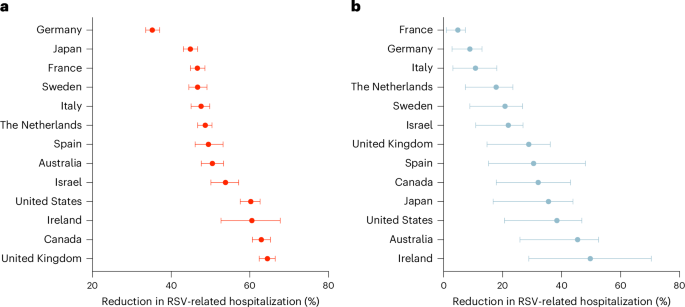
- Reduced Hospitalizations: This is arguably the most significant immediate benefit. By preventing severe RSV infections, the vaccine can drastically cut down the number of adults requiring inpatient care. A high vaccine coverage could prevent a substantial portion of the estimated 1,200-1,300 (or more) annual RSV-related hospitalizations in adults.
- Alleviated Healthcare Strain: Fewer hospital admissions translate to reduced pressure on emergency departments, general practitioners, and intensive care units. This frees up resources for other critical health needs and can prevent system overloads during peak winter seasons, especially in the face of the "triple epidemic."
- Decreased Antibiotic Use: While RSV is viral, severe infections can lead to secondary bacterial infections, often requiring antibiotics. By preventing the initial severe viral infection, the vaccine can indirectly contribute to reducing unnecessary antibiotic prescriptions, helping combat antibiotic resistance.
- Improved Quality of Life: Avoiding severe illness means less time spent recovering, less pain and discomfort, and a quicker return to daily activities. For older adults, a severe respiratory infection can lead to prolonged weakness, functional decline, and a significant reduction in overall well-being.
- Economic Impact: The vaccine can reduce sick leave, healthcare costs associated with treatment, and the burden on caregivers. While the initial cost may seem high, the long-term economic savings from preventing severe illness and hospitalization are substantial for both individuals and the public health system.
Navigating Accessibility and Cost for the RSV Vaccine
Currently, adults seeking the RSV vaccine in many regions, including Norway, must cover the costs themselves. The price is approximately 2,300 Norwegian kroner, and it requires a doctor's prescription. This pricing is reportedly consistent with other European countries.
It's natural to compare this to the cost of an annual flu vaccine, which is significantly lower (around 400-500 NOK). However, as highlighted by GSK, this comparison isn't quite apples-to-apples. The RSV vaccine has a different effect profile, particularly for those with underlying conditions, and its protective effect is indicated to last for at least two years, compared to the flu vaccine's annual cycle. The complex and lengthy development process also contributes to the initial cost.
There is hope that, with increased adoption and potential inclusion in public vaccination programs, the price could become more accessible over time. Volume purchasing by governments could lead to price adjustments, making this vital protection available to a wider population.
For a detailed breakdown of the financial aspects, consider reading
RSV Vaccine Cost: Understanding the Price Tag for Adults.
Practical Advice for Adults Considering the RSV Vaccine
If you are an adult over 60, or if you have underlying health conditions that put you at higher risk for severe RSV, discussing vaccination with your doctor is a crucial next step. Here are some tips:
- Consult Your Physician: Your doctor can assess your individual risk factors and determine if the RSV vaccine is right for you. They can also provide a prescription.
- Understand the Benefits: Be informed about how the vaccine can protect you from severe illness and hospitalization.
- Inquire About Cost and Coverage: Ask about the current cost, if it's covered by any private insurance, or if there are any local programs that might assist with the expense.
- Consider Co-administration: Discuss if you can receive the RSV vaccine alongside your flu or COVID-19 vaccine during the same appointment, if appropriate.
It's also worth noting that while this particular vaccine is for adults, future developments are on the horizon, including vaccines for pregnant women that can provide antibodies to their unborn children, offering protection to infants from birth.
Conclusion
The availability of the RSV vaccine for adults marks a significant advancement in public health, especially for older individuals and those with compromised immune systems. It addresses a long-standing gap in protection against a prevalent respiratory virus that contributes substantially to severe illness and hospitalizations. While questions regarding cost and accessibility remain pertinent, the clear benefits of reducing the burden of disease on individuals and healthcare systems are undeniable. As we enter the colder months, the option to protect oneself against RSV, alongside influenza and COVID-19, offers a new layer of resilience against the seasonal onslaught of respiratory infections, ensuring healthier communities and a more robust public health landscape.